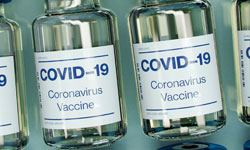
Across history, no force has killed more people than disease, and globalization has only shortened the distance between an outbreak and a pandemic.
Why pandemics outrank every other disaster
Unlike an earthquake or a flood, a pandemic is not bound by geography. A novel pathogen exploits the very things that make modern life convenient — dense cities, constant travel, and global supply chains. The Black Death killed perhaps a third to a half of Europe; the 1918 influenza killed more people than the First World War.
The lethality of any outbreak comes down to three numbers: how easily it spreads, how often it kills, and how long before we can respond. Small shifts in any one of them separate a seasonal nuisance from a civilization-level event.
“A pandemic is not an event. It is a test of every system at once.”
From contagion to collapse
The direct death toll is only the first wave. Overwhelmed hospitals, broken supply chains, and a sidelined workforce mean the secondary damage of a severe pandemic can rival the disease itself. COVID-19 showed how quickly a health crisis becomes an economic and social one.
Household readiness is unglamorous but decisive: the ability to isolate, weeks of essentials on hand, and the discipline to avoid the panic-buying that strips shelves in the first 48 hours.
The regional public-health picture
Portland's density, its international airport, and its port make the metro a plausible early entry point for an emerging pathogen — but also one of the better-resourced regions for response, anchored by OHSU and a strong public-health network.
The practical lesson from 2020 holds: keep a two-week buffer of essentials, know your clinic's telehealth options, and don't rely on just-in-time grocery delivery when everyone else is doing the same.
What individual readiness looks like
You cannot vaccinate yourself against the unknown, but you can shorten your exposure. A small stock of respirators, rapid tests, and fever and rehydration supplies — plus a plan to work and learn from home — buys you the most valuable resource in an outbreak: time.
The households that fared best in 2020 weren't the ones with the most supplies. They were the ones who already had a plan before the first case arrived.